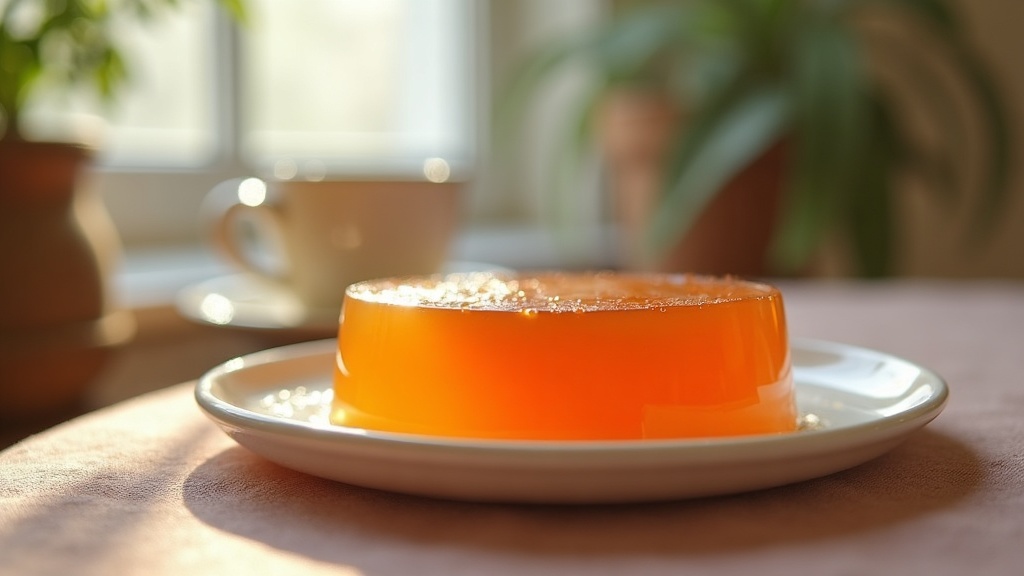
Many women expect a quick fix. The real story behind baking soda e gelatin is quieter, older, and rooted in kitchen tradition rather than promises.
Somewhere between the diets we were taught and the body we actually have, something stopped matching up. These four shifts explain why — and where baking soda e gelatin fit into the conversation.
As collagen production slows with time, many women notice changes in skin and joints long before the scale ever moves. This is where ingredients like baking soda e gelatin enter traditional kitchen practices.
The signals that once said 'enough' can become quieter, making old portion habits feel unreliable rather than wrong.
Body composition changes gradually, often without matching changes in weight, which is why the scale alone rarely tells the full story.
Calorie counting built for a different decade of life doesn't always account for how digestion, recovery, and hunger evolve over time.
Female metabolism is one of the most misunderstood topics in wellness. Here is what tends to get repeated versus what is actually understood.
Metabolism only slows down because of age.
Muscle mass, sleep quality, and daily movement all influence metabolic rate — age is one factor among several.
Eating less is always the answer.
Chronic under-eating can affect satiety signals and lean mass over time, which is why balance matters more than restriction alone.
Weight loss and wellness are the same goal.
Body composition, energy, skin, and joint comfort are separate markers that don’t always move together — or at the same pace.
This isn’t a step-by-step transformation plan. It’s a way of understanding how small, traditional habits fit into a modern routine.
Before adopting any habit, it helps to understand what baking soda e gelatin actually are and where they come from historically.
Paying attention to hunger, energy, and comfort over time gives more useful information than any single number.
Sustainable habits are the ones that fit into an existing routine, not the ones that require rebuilding a life around them.
Long before wellness marketing existed, home kitchens relied on simple staples. Gelatin came from slow-simmered bones and connective tissue, valued for its role in traditional cooking. Baking soda, meanwhile, was a pantry constant used for generations across countless households. Neither ingredient was ever marketed as a solution — they were simply part of how food was made.
The renewed interest in baking soda e gelatin isn’t about novelty. It’s about revisiting ingredients that were common in kitchens long before supplements existed.
Feeling hungry sooner after meals, or not feeling satisfied at all, is a signal worth noticing rather than ignoring.
Skin that feels less elastic or more prone to dryness often reflects deeper changes in collagen-related processes.
Morning stiffness or discomfort during movement is one of the more commonly reported changes among women over time.
When routines stay the same but the scale doesn't, body composition — not effort — is often the missing variable.
A consistent afternoon slump can point to shifts in how the body manages fuel and recovery.
Nails are often one of the first visible indicators of internal nutritional and structural changes.
Testimonials reflect individual opinions and experiences. Individual results may vary, and these statements are not a guarantee of any outcome.
Hydrolyzed gelatin is gelatin that has been broken down into smaller components, making it easier to dissolve and incorporate into daily routines.
No. This page is educational content exploring traditional ingredients and habits, not a structured diet or treatment plan.
No. Nothing here is intended to diagnose, treat, cure, or prevent any condition. Always consult a healthcare professional.
Both are long-standing kitchen staples that have recently drawn renewed interest, which is why they’re discussed together in this context.
No. The topics discussed relate to general wellness habits relevant to women broadly, not a specific age range.
This content does not promise any specific results or timeline. It is intended purely for educational purposes.
The video linked on this page walks through the full explanation in more detail than this summary allows.
The video covers the details this page only introduces — including how baking soda e gelatin relate to traditional habits many women overlook.
Advertising Disclosure: This is sponsored content and may contain affiliate links. We may receive compensation if you make a purchase through links on this page. This does not affect the price you pay.
Content Disclaimer: This content is for educational purposes only and has not been evaluated by the FDA. It is not intended to diagnose, treat, cure, or prevent any disease or condition. Always consult a qualified healthcare professional before making changes to your diet or routine.
Results Disclaimer: Individual results may vary. Testimonials and experiences shared on this page are not a guarantee of any specific outcome.
© 2026 · All Rights Reserved · Contact